
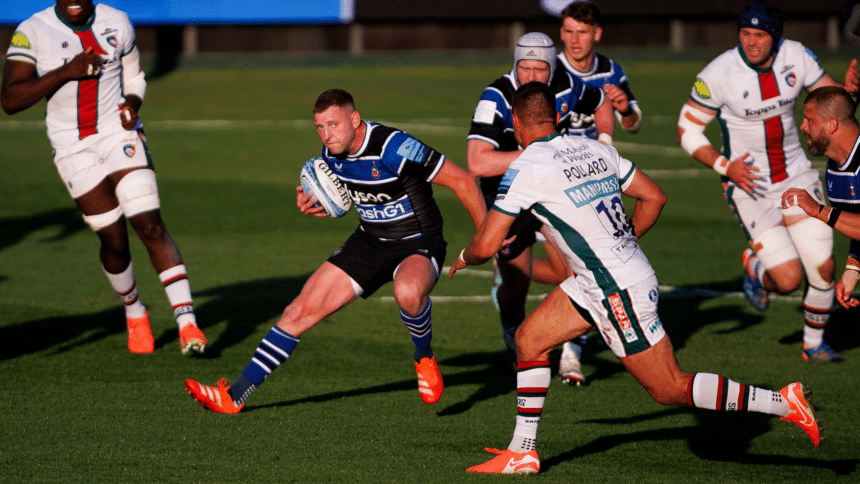

As the season reaches its midpoint, the league table begins to tell deeper truths than early-week optimism ever could. This article centers on under-the-radar playoff hopefuls whose form, strategy, and momentum suggest they are better positioned than public belief implies. Attention is placed on tactical innovations, appearing young players, and favorable upcoming fixtures that could lift these clubs into the final four. The focus stays firmly on competitive realities, measured risk, and how on-field growth intersects with market expectations.
- Finding upward-trending underdog clubs
- Tactical adjustments driving late-season surges
- Rising young players shaping outcomes
- Fixture timing and schedule advantage
- Defensive consistency as a playoff indicator
- Offensive efficiency without excess risk
- Evaluating betting odds versus on-field potential
- Psychological resilience and closing ability
- Leadership influence within underrated squads
- The final rung: translating promise into position
Finding upward-trending underdog clubs
Mid-season is when performance trends become more reliable, separating short-lived surprises from structurally sound contenders. Several clubs sitting just outside the playoff picture have quietly assembled profiles that resemble late-stage competitors rather than fringe participants. Their points accumulation may appear modest, but underlying indicators such as territorial control, defensive sequencing, and improved second-half execution point toward sustained progress. These teams often receive help from continuity in choice, limited injury disruption, and a stable coaching message, allowing performance layers to build instead of resetting weekly. Momentum at this stage is rarely accidental; it reflects deliberate planning translated into repeatable outcomes. Underdog status often masks consistent improvement, especially when narrow wins, disciplined away performances, and controlled finishes begin to stack together.
Tactical adjustments driving late-season surges
By mid-season, the most effective coaches are no longer experimenting broadly but refining specifics. Tactical adjustments such as altering defensive line speed, staggering forward rotations, or recalibrating kicking strategies can unlock incremental gains that decide tight matches. Teams making these changes without abandoning their identity often gain a decisive edge. These refinements are not cosmetic; they are data-informed responses to early-season inefficiencies. Clubs willing to adjust based on opponent tendencies consistently outperform more rigid sides, particularly when margins narrow and adaptability becomes essential.
Rising young players shaping outcomes
The second half of the season often marks the true arrival of emerging talent. Younger players who were cautiously rotated early now play with clarity, confidence, and trust from the coaching staff. Their influence becomes tangible in high-leverage moments, whether through decisive carries, defensive reads, or composure under pressure. This infusion of youthful momentum adds unpredictability, especially when paired with experienced teammates who manage tempo and emotional swings. When development curves align with opportunity, performance growth accelerates rapidly and alters a team’s competitive ceiling.
Fixture timing and schedule advantage
Not all schedules exert equal influence after the halfway point. Teams receiving help from well-timed home fixtures against direct rivals or facing opponents navigating congested travel periods gain structural advantages that rarely appear in raw standings. Fixture sequencing can amplify form when confidence is already trending upward. Clubs that rotate intelligently during dense stretches preserve intensity for decisive matchups, while those unprepared often fade despite comparable talent. Strategic awareness of schedule dynamics often separates playoff qualifiers from near-misses.
Defensive consistency as a playoff indicator
Defensive reliability is one of the clearest predictors of postseason qualification. Teams that concede fewer late scores consistently outperform flashier opponents when pressure rises. Defensive organization under fatigue reflects communication quality, preparation depth, and collective trust. Underrated teams that minimize errors force more talented sides into uncomfortable contests where patience, not reputation, decides outcomes. Structure over spectacle becomes the defining trait of teams capable of surviving the playoff race’s final stretch.
Offensive efficiency without excess risk
While defense anchors playoff ambition, efficient offense separates contenders from pretenders. Many underdog teams thrive by converting a higher percentage of high-quality opportunities rather than chasing volume. This precision-based approach reduces exposure to counterattacks and preserves energy across demanding sequences of matches. Selective aggression proves more sustainable than constant pressure, particularly as physical and mental fatigue accumulate. Teams striking decisively rather than often often keep form longer and close games with greater control.
Evaluating betting odds versus on-field potential
Market feeling often trails performance reality. Betting odds often lean on historical reputation or brand strength rather than current trajectory, creating inefficiencies. For rugby fans seeking value, these underdog narratives often align with shifts seen across the best betting sites, where sharp bettors look beyond favourites to spot emerging contenders. Evaluating form trends, tactical growth, and fixture context offers clearer insight than standings alone. When odds lag behind structural improvement, opportunity exists before results force market correction.
Psychological resilience and closing ability
Mental resilience becomes increasingly visible as postseason pressure intensifies. Teams accustomed to grinding results develop belief that carries through adversity. Underdogs with recent comeback victories or narrow defensive stands often display collective confidence that transcends individual talent. These experiences compound, reinforcing trust in systems and teammates. Repeated exposure to close finishes sharpens composure, and that composure often decides playoff qualification more than raw skill or tactical novelty.
Leadership influence within underrated squads
Leadership anchors evolving teams during volatile stretches. Veteran presence stabilizes younger players, ensuring tactical discipline holds under stress. Leadership impact is not always loud or highlight-driven; consistency, accountability, and communication often matter more than star power. Leaders who manage pace, discipline, and emotional balance influence outcomes subtly but decisively, particularly in away fixtures and pressure-heavy contests where composure is constantly tested.
The final rung: translating promise into position
The closing phase of the season rewards teams built to sustain momentum rather than chase spikes. Underrated clubs poised to climb share recurring traits: tactical clarity, balanced depth, favorable timing, and psychological readiness. When these elements align, feeling adjusts quickly and playoff doors open. Momentum compounds rapidly at this stage, and teams already aligned in structure, confidence, and opportunity rarely stall once ascent begins. Those lacking cohesion or hesitation often find the margin for recovery already gone.


