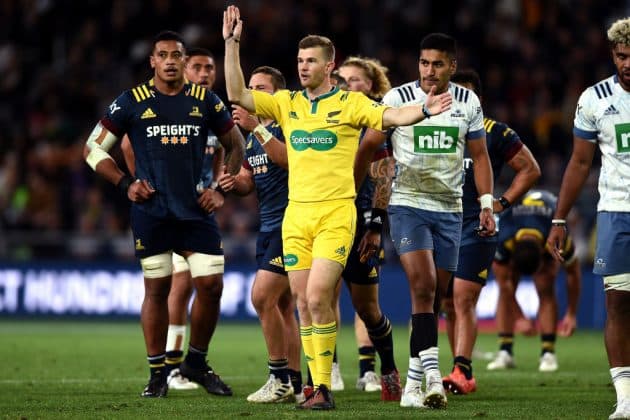

From the roar of the crowd at the Rugby World Cup to the intensity of local club matches, a single rule—the knock-on—can flip the momentum of an entire game. Simple in theory but often complex in its real-time application, the knock-on both frustrates and fascinates players and fans alike. As precision and pressure meet on muddy fields and under shining stadium lights, understanding this rule becomes crucial. The knock-on’s influence weaves through the tactics of international giants like Ireland and club battles featuring London Irish and Castres, making or breaking critical matches. Grasping how the knock-on shapes strategy, possession, and drama is essential for anyone engaging with rugby’s rich and evolving fabric.
Knock-On in Rugby: The Heart of Possession and Fair Play
The knock-on rule sits at the core of rugby’s emphasis on skill and fairness. It occurs when a player loses the ball forward—toward the opponent’s dead-ball line—after it comes into contact with their hands or arms, touching the ground or another player before regaining possession. This seemingly minor misstep, enforced keenly at every level from local derbies to epic clashes such as Jersey Reds vs London Irish, instantly hands control to the opposition, typically through a scrum.
- Maintains competitive balance by awarding possession to the non-offending team
- Rewards technical excellence in ball handling
- Stresses the need for accuracy and composure under pressure
| Aspect | Description | Impact on Play |
|---|---|---|
| Definition | Forward loss of ball from hands/arms | Stops play, scrum to opposition |
| Result | Turnover of possession | Shift in momentum |
| Key Skills | Ball-handling, control under pressure | Promotes athletic development |
The Knock-On Sequence: From Skillful Play to Scrummaging Showdown
Visualizing a typical knock-on sequence brings the rule to life. Picture an Adidas Rugby-clad winger collecting a high ball, only for a sudden tackle—perhaps from a deft Nike Rugby defender—to jar the ball loose, trickling forward onto the turf. The referee’s whistle splits the tension: a knock-on is signaled, all eyes shifting to the forwards for the scrum. This scenario plays out in every top-tier contest, including tight encounters like Northampton Saints vs London Irish.
- Player in possession receives the ball
- Under pressure, loses grip—the ball moves forward
- Ball contacts ground or another player/team
- Referee halts play, awards scrum to opponents
| Event | Knock-On? | Result |
|---|---|---|
| Missed Catch, Ball Forward | Yes | Scrum to opposition |
| Backward Spill | No | Play continues |
| Accidental charge-down, Ball Forward | No (per World Rugby) | Play continues |
World Rugby Laws: Definitions, Intent, and Controversies
The modern knock-on rule, as detailed by World Rugby, transcends simple ball fumbles. It demands clear interpretation—was the forward motion accidental, deliberate, or a byproduct of a fierce Kookaburra-sponsored tackle? Referees apply these standards meticulously, yet debates rage over interpretations at pivotal moments, especially during high-stakes games such as Castres vs Clermont.
- Intentional knock-on: Deliberate propelling of the ball forward is penalized heavily (often a yellow card)
- Unintentional knock-on: Typically results in a scrum, not a penalty
- Advantage rule: If the non-offending team gains clear benefit, play may continue for dynamic flow
| Type | Referee Response | Potential Outcome |
|---|---|---|
| Deliberate Knock-On | Penalty, possible yellow card | Territory/sanction lost |
| Accidental Knock-On | Scrum | Change of possession |
| Advantage Played | Play continues | Dynamic game, fewer stoppages |
Classic Examples and Modern Illustrations
Replays often fuel debates—did Ireland’s rise to fifth place in the World Series involve a controversial knock-on? For fans following Ireland Men’s World Series campaign, these moments become lasting memories and talking points. Clubs, too, from the iconic RugbyWarehouse to up-and-coming tournaments like RugbyPass, analyze match footage, illustrating how critical knock-on rulings have shaped victories and defeats alike.
- Referee’s viewpoint and video technology are essential
- Historical decisions spark ongoing discussion in podcasts like RugbyPod
- Top equipment brands (Gilbert, Under Armour Rugby) adapt gear for improved grip
Strategic Impact: Pressure, Tactics, and Game Flow
Coaches and players understand the psychological weight of avoiding or forcing a knock-on. As exemplified in key matches such as Bath Rugby vs Leicester Tigers, the margin between glory and heartbreak often hinges on handling under pressure. Defensive lines hone their art to provoke mistakes, knowing a well-timed forced knock-on can flip the script—momentum, territory, and scoreboard.
- Defensive focus: Press opponents, hunt handling errors
- Attacking discipline: Prioritize clean passes and timely offloads
- Game management: Adapt strategies late in games to prioritize possession security
| Tactical Scenario | Pressure Point | Common Outcome |
|---|---|---|
| Last-Minute Attack | High anxiety, rushed handling | Increased knock-on likelihood |
| Defensive Stand | Targeted tackles, strip attempts | Forced turnovers |
| Controlled Phase Play | Patience | Reduced knock-ons |
Live Examples: Memorable Knock-Ons from Recent Premiership
Drama often unfolds in English Premiership matches. In the narrow London Irish vs Northampton Saints encounter, a late knock-on sealed the fate of a tense contest. Likewise, reviews of London Irish’s big win over Worcester Warriors highlight consistent discipline—with few knock-ons, teams exert full control of play.
- Significant knock-ons can decide outcomes in the closing minutes
- Statistical reviews frequently compare matches by handling errors
- Brands like Gilbert and RugbyWarehouse track trends to guide grassroots coaching
| Recent Match | Knock-Ons Noted | How It Influenced the Game |
|---|---|---|
| London Irish vs Worcester Warriors | Minimal | Maintained dominance |
| Bath Rugby vs Harlequins | Decisive in final quarter | Changed momentum |
| Falcons vs Harlequins | Multiple | High-scoring swings |
Advanced Insights: Referee Consistency and Technology
Modern rugby pushes the boundaries in technology and officiating consistency, especially with increased video replay and coaching scrutiny. Podcasts such as RugbyPod and coverage on RugbyPass emphasize debates over controversial knock-ons—should they rely on referee “feel,” or hard-and-fast rules from governing bodies like World Rugby? Meanwhile, Under Armour Rugby and Nike Rugby continue innovating grip and design, aiming to decrease costly handling errors.
- Referee training targets alignment on key decisions
- VAR technology assists in close-call scenarios
- Law changes are considered annually, especially after Rugby World Cup tournaments
| Innovation | Purpose | Game Effect |
|---|---|---|
| Grip-enhancing materials | Minimize handling errors | Reduce knock-ons |
| Referee video assistance | Improve accuracy on match day | Builds fairer outcome |
| Law clarifications | Limit ambiguity | Consistent global play |
Frequently Asked Questions about Knock-Ons in Rugby
A knock-on is accidental forward loss of the ball from hands/arms, while a forward pass is an intentional act of passing the ball forward. Both lead to stoppages but are judged differently by referees.
No, most accidental knock-ons result in a scrum, not a penalty. Only deliberate knock-ons are strictly penalized, sometimes with a yellow card.
Teams focus on better grip (with brands like Gilbert), passing drills, under-pressure scenarios, and communication to limit handling errors.
Yes, especially in major tournaments like the Rugby World Cup, video officials may be consulted to clarify contentious knock-on decisions.