The Rugby World Cup is the trophy that every player dreams of winning, and it is much more than just a competition. The World Cup is a celebration that brings together the best players from each country across the world, all chasing the same dream. The tournament is a spectacle that highlights skill and national pride, and the winners earn themselves a place in the history books. Over the years, the event has produced some of the most emotional, thrilling, and unforgettable moments in sport.
Rugby has become synonymous with fast-paced energy and intense moments, and the World Cup brings all this and even more. Matches are not only battles between players but also contests of heart and character. From incredible comebacks to dramatic last-minute victories, the tournament has given fans memories that will never fade. These moments remind everyone why rugby is a sport built on passion and respect. For many supporters, following the World Cup becomes part of the same routine as checking popular draws such as the 49s, both forming part of the daily rhythm of sporting life.
New Zealand – 1987
The first Rugby World Cup was jointly hosted by both Australia and New Zealand, two countries that have become powerhouses in the sport. The tournament introduced the world to a new era of international rugby and crowned the All Blacks as the sport’s first global champions. Led by David Kirk, New Zealand dominated the competition, combining physical strength with fast, attacking play that thrilled spectators.
The final in Auckland saw the All Blacks face France, a team known for flair and unpredictability. New Zealand’s controlled performance and clinical tries secured a convincing victory and gave the nation a moment of immense pride. The image of Kirk lifting the trophy became an iconic symbol of a nation that has since gone on to be the most successful in rugby history. That first triumph established New Zealand as the standard everyone else would chase for decades to come.
South Africa – 1995
The 1995 Rugby World Cup in South Africa remains one of the most powerful sporting events in history. It was the first major tournament held in the country after the end of apartheid, and it became a symbol of a nation that was built on unity and hope. South Africa, led by captain Francois Pienaar, entered the competition with passion and belief, despite being outsiders in the eyes of many.
The final against New Zealand captured the world’s attention. The All Blacks were favourites, powered by the legendary Jonah Lomu, who had dominated the tournament with his trademark blend of speed and strength. Yet the Springboks produced one of the greatest defensive performances the sport had ever seen, holding firm to win a tense match that ended 15-12 after extra time. The result ended in a huge upset victory for the host nation, who, after so much hardship, pushed through to be victorious.
When Nelson Mandela presented the trophy to Pienaar wearing a Springbok jersey, the moment transcended sport. It showed how rugby could unite a divided nation and symbolised the beginning of a new era for South Africa. That day remains one of the most emotional and defining moments not just in rugby, but in world sport.
Jonny Wilkinson’s Kick – 2003
No list of iconic Rugby World Cup moments would be complete without a mention of Jonny Wilkinson’s famous drop-kick goal in the final. England faced host nation Australia in Sydney, and the contest was tight from start to finish. With the scores level deep into extra time, England remained patient and continued to move the ball into position. Wilkinson, calm under immense pressure, struck the ball with his weaker foot and watched it sail through the posts.
That kick gave England a 20-17 victory and made them the first Northern Hemisphere team to win the Rugby World Cup. The celebration that followed captured pure joy, not just for the players but for fans back home who had waited many years for such a moment.
Japan’s Miracle Win – 2015
The 2015 Rugby World Cup delivered one of the biggest upsets in sporting history when Japan defeated South Africa in the pool stages. The match, played in Brighton, began as a David versus Goliath story. Very few gave Japan a chance against a team that had won the World Cup twice and was packed with talent and experience.
What followed became known as the “Miracle of Brighton”. The general consensus was that Japan would be simply outmatched by a South African team that, on paper, was much better. However, Japan matched South Africa’s intensity from the very first minute and refused to back down. As the clock ticked into the final moments, Japan trailed by just a few points but turned down an easy penalty that would have drawn the game. Instead, they chased victory. In a remarkable sequence of play, Karne Hesketh scored a try in the corner, and the stadium erupted in disbelief.
South Africa’s Redemption – 2019
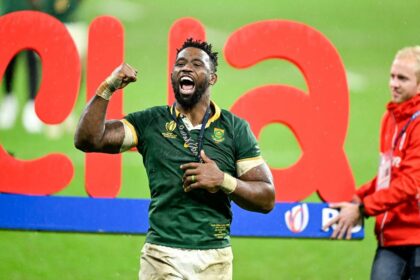
Four years after that disappointing defeat to Japan, South Africa once again created a moment that captured the hearts of rugby fans around the world. After years of struggle and rebuilding, the Springboks arrived at the 2019 World Cup with a renewed sense of purpose. Under the leadership of Siya Kolisi, the team played with unity and strength, embodying the values of resilience and pride.In the final, they faced England, who had stunned New Zealand in the semifinals. South Africa’s physical dominance and tactical excellence proved decisive, as they controlled the match from start to finish. When Kolisi lifted the trophy, it marked a historic achievement. He became the first black captain to lead South Africa to a World Cup victory, symbolising progress and hope for the nation.