
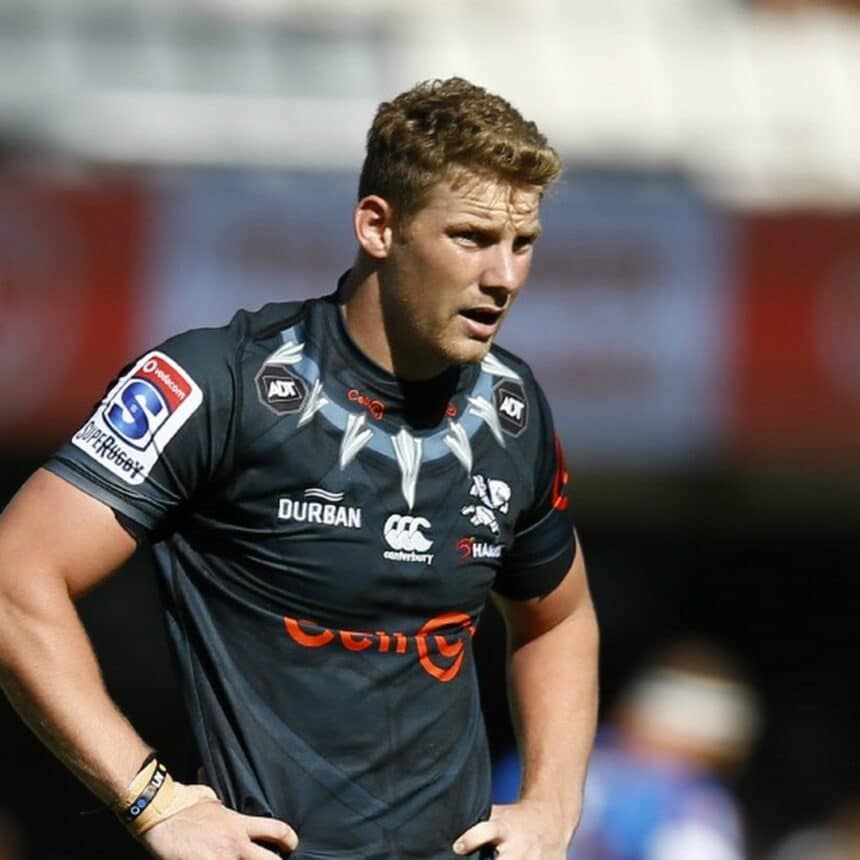

Rob du Preez, the record-breaking athlete of Sale Sharks, finds himself at a pivotal point in his rugby career. Known for his remarkable consistency and unwavering team spirit, du Preez’s recent move rumors have sent shockwaves through the rugby community. As the Premiership’s most durable backline player, his unexpected potential transfer opens discussions about the evolving dynamics in professional rugby and the impact on both the athlete and his iconic club.
Rob du Preez’s record-breaking run with Sale Sharks captivates rugby fans
Rob du Preez has become synonymous with performance enhancement and steadfast dedication in the Premiership. Having started a record 74 consecutive games at fly-half and center positions, the South African playmaker has been an irreplaceable asset for Sale Sharks. His disciplined fitness regimen and tactical brilliance have set him apart, contributing to both his personal records and the overall strength of his team spirit.
- 74 consecutive Premiership starts, the highest ever
- Accumulated 1,520 minutes in the 2024-25 season, among top league performers
- Key contributor to Sale Sharks’ backline strategies
His ability to switch seamlessly between fly-half and inside center roles has been praised by coaches and analysts alike, showcasing his versatile skill set and rugby intelligence.
Sale Sharks’ community feels the weight of losing a rugby icon
Beyond the physical records, Rob du Preez embodies the community and team spirit within Sale Sharks. Alongside his brothers, Dan and Jean-Luc du Preez, he has formed part of the club’s central nucleus, helping foster a family atmosphere that resonates with fans and teammates.
- Sale Sharks as not just a team but a rugby family
- Influence of the du Preez brothers on team cohesion
- Legacy of nurturing strong bonds beyond the pitch
However, recent developments hint at a potential end to this era, as transfers in the rugby market have seen several players depart, reshaping familiar lineups.
Racing 92 eyes Rob du Preez amid Top 14 rebuilding phase
In an unexpected twist of the player transfer market, French Top 14 club Racing 92 has moved to acquire Rob du Preez, aiming to fill the void left by former England captain Owen Farrell’s departure to Saracens. This follows other notable exits within the Top 14 and Premiership, showcasing rugby’s evolving marketplace and high-profile player transfers.
- Racing 92’s need for experienced fly-half following major departures
- Du Preez’s appeal due to his Premiership consistency and versatility
- Competition from other candidate players like Paddy Jackson
Du Preez’s move would mark a significant shift, potentially leaving behind his family ties at Sale Sharks, with only brother Dan du Preez likely to remain next season. Financially backed by recent sales of stars like Owen Farrell and Siya Kolisi, Racing 92 is positioned to negotiate the buyout of du Preez’s existing contract effectively.
Impact of player transfers on rugby merchandise and sportswear market
The ripple effects of transfers such as Rob du Preez’s potential exit extend beyond the pitch, influencing the global rugby merchandise and sportswear industries. The migration of top-tier talent often triggers shifts in fan bases and merchandise sales, as supporters develop affiliations with new teams.
- Boost in jersey sales following major player transfers
- Introduction of new sportswear lines aligned with star athletes
- Enhanced marketing campaigns driven by high-profile signings
Such transfers also inform team branding strategies and can increase overall engagement across social platforms, fostering a dynamic sports retail environment.
Rob du Preez’s enduring legacy amid the whirlwind of rugby departures
As the rugby world witnesses multiple significant player movements — from Bath’s Taulupe Faletau to Ben Healy’s confirmed departures — the case of Rob du Preez stands out due to his resilience and consistent performance. His anticipated departure from Sale Sharks aligns with a broader trend where rugby teams recalibrate their rosters for future competitiveness.
This evolving landscape highlights the challenges clubs face in maintaining both performance and team spirit during transition periods.


