
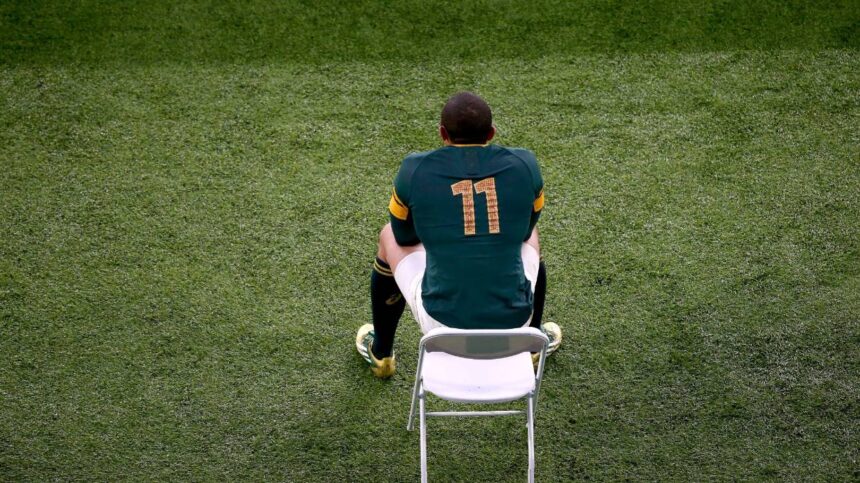

The “sin bin” is a familiar term to rugby fans, describing the temporary suspension of a player from the game. It’s an important part of Rugby Union’s disciplinary system, designed to keep matches fair, safe, and under control. With help from Bet442, here’s a detailed look at what the sin bin is, how it works, and why it was introduced.
When was the sin bin introduced?
The sin bin was officially introduced into Rugby Union in 2001 by the International Rugby Board (now World Rugby). Before this, referees could only issue penalties or send players off permanently with a red card. The introduction of the sin bin gave referees a middle ground, a way to punish serious but not send-off-worthy offences.
Why was it introduced?
The sin bin was created to improve discipline and fairness in the game. Prior to its introduction, referees often faced a difficult choice between issuing only a penalty (which might not be enough to deter repeat offences) or sending a player off completely (which could be too harsh for less severe infringements).
The temporary suspension offered a balanced solution; it punished players and gave teams a disadvantage for repeated or dangerous play, while still allowing the player to return to the match later. It also encouraged teams to maintain discipline, as playing a man down for several minutes could significantly affect the outcome of the game.
What colour cards are used?
There are two main types of disciplinary cards in Rugby Union:
Yellow Card
A yellow card is shown by the referee when a player commits a serious infringement, such as repeated offences, dangerous play, or professional fouls (for example, deliberately killing the ball). When shown a yellow card, the player must leave the field and spend 10 minutesin the sin bin.
Red Card
A red card results in a permanent dismissal from the match. The player cannot return, and the team must play with one fewer player for the remainder of the game.
In some elite competitions, a “bunker review system” is also used. This allows referees to show a yellow card and have the incident reviewed while the player is in the sin bin. If the offence is deemed severe enough, it can be upgraded to a red card.
How long is a sin bin?
In Rugby Union, a player sent to the sin bin remains off the field for 10 minutes of playing time. During this period, their team must play with one fewer player, which can have a major tactical and physical impact. The 10-minute period excludes stoppages such as halftime; the countdown only runs while the game is active. In rugby sevens, the sin bin lasts for 2 minutes, reflecting the shorter match format.
What happens in the sin bin?
While in the sin bin, a player must sit in a designated area off the pitch and cannot take part in play or communicate with their teammates. The player may return only when the referee signals that the time has expired. If another offence is committed by the same player after returning, a second yellow card usually results in a red card and full dismissal.
Final Thoughts
The introduction of the sin bin has had a major positive impact on Rugby Union. It gives referees more flexibility in handling foul play and helps maintain the balance between fairness and discipline.
A 10-minute spell in the sin bin can dramatically shift momentum in a match, proving that even a temporary punishment can have lasting consequences. In short, the sin bin is not just a timeout; it’s a crucial part of rugby’s respect-based ethos and its ongoing effort to keep the game safe, fair, and exciting.


