
Stories of gay rugby players coming out in the UK have become a vital force for inclusion in sport, breaking the taboos that once kept sexual diversity in the shadows. With major athletes and referees choosing to live authentically, traditions of silence are being challenged and new legacies of courage are inspiring clubs from grassroots to the international stage. TeamPride initiatives like Rainbow Laces and Out4Good are amplifying these voices. This article delves into the journeys of several renowned LGBT Rugby personalities, the influence of UK Gay Rugby movements, and the collective effort to challenge homophobia through Rugby Pride and advocacy campaigns like Rugby Against Homophobia.
Famous Gay Rugby Players in the UK: Pioneers and Role Models
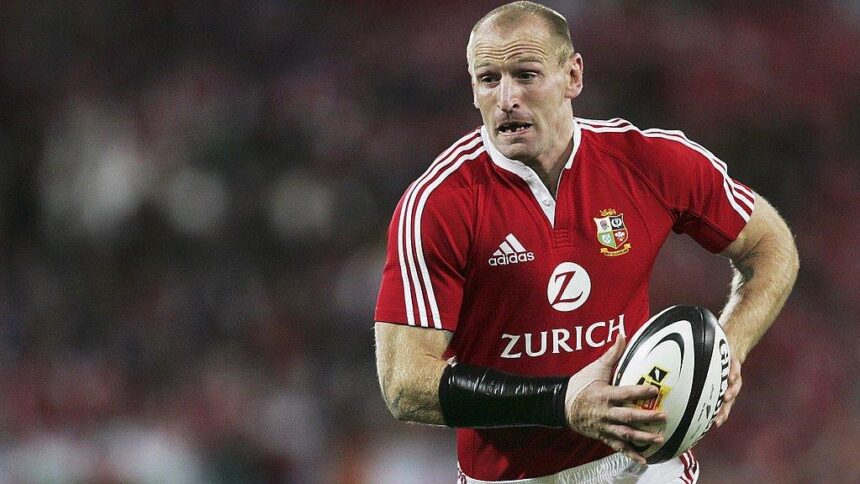
In rugby’s intense, masculine environment, coming out as gay once seemed unthinkable. Yet, over the last decades, several high-profile players have courageously stepped forward, changing the culture of British sport and paving the way for future athletes. Gareth Thomas, Welsh rugby legend, set a powerful precedent in 2009. Not only did he captain Wales and the British and Irish Lions during his illustrious career, but by coming out, he became the world’s first openly gay top-level male rugby player. His honesty catalysed the UK Gay Rugby movement and has inspired others to follow suit.
Here are a few other trailblazers:
- Sam Stanley: The first English rugby union and sevens player to come out as gay (2015), Stanley has been outspoken about the challenges facing closeted athletes.
- Keegan Hirst: As the first British professional rugby league player to come out while still playing, Hirst’s story has resonated deeply across Rugby Pride efforts and Pride in Sport partnerships.
- Nigel Owens: An elite international referee, Owens’ openness about his sexuality and mental health battles has led to high-profile anti-homophobia advocacy with Stonewall and Out4Good.
- Levi Davis: In recent years, Davis has remained a prominent supporter of LGBT Rugby, candidly sharing his experiences coming out through team WhatsApp groups.
| Name | Role | Coming Out Year | Impact |
|---|---|---|---|
| Gareth Thomas | International Player | 2009 | World’s first openly gay top-level male rugby player |
| Sam Stanley | Union & Sevens Player | 2015 | First English rugby union/sevens player to come out |
| Keegan Hirst | League Player | 2015 | First British pro to come out while active |
| Nigel Owens | Referee | 2007 | Global LGBT and mental health advocate |
| Levi Davis | Union Player | 2020 | First active UK rugby player to come out as bi |
Changing the Narrative: Why Their Coming Out Matters
The stories of these individuals extend beyond press headlines, touching lives at every level of the game. When Gareth Thomas shared his truth, the response from TeamPride initiatives and allies like Stonewall was profound—he showed that vulnerability brings strength, not weakness. Nigel Owens has stressed that while rugby’s culture is generally accepting, there remains resistance that must be actively addressed by campaigns such as Rugby Against Homophobia.
- Each out player serves as a public example, counteracting stereotypes and isolation.
- LGBT Rugby movements directly foster acceptance in clubhouses and stands.
- Rainbow Laces and Out4Good generate visibility, championing everyday inclusion practices.
- Well-known fixtures—like the Bingham Cup—now draw record participation, furthering the cause in 2025.
| Year | LGBT Rugby Initiative | Impact/Result |
|---|---|---|
| 2012–2024 | Rainbow Laces/TeamPride | Visible support in major tournaments; now standard in UK rugby |
| 2015+ | Pride in Sport / Out4Good | New policies for inclusion; training in every UK club |
| 2002–2025 | Bingham Cup | Growth to global event; spotlight on gay and inclusive rugby |
To see how rugby continues to innovate, check out the Queensland Reds’ initiatives and get updates on international challenger series tours that include diversity programs.
Inside Coming Out Stories: Challenges and Triumphs in Rugby
The realities of coming out in such a public, competitive space are complex. Gareth Thomas once spoke candidly about the suffocating fear he felt before going public—a fear, he said, that was “far worse than reality.” Like countless others, he initially hid behind a marriage and poured himself into sport, dreading rejection from family and teammates. It wasn’t until breaking silence that Thomas found genuine community and freedom.
Players like Keegan Hirst and Sam Stanley echo similar journeys. Hirst described the challenge of finding the words to explain to his wife and teammates, while Stanley discussed the pressures that many closeted athletes still face in 2025 despite initiatives by organizations such as Pride in Sport and Rugby Against Homophobia. Their testimonials are crucial for young people navigating identity today.
- Concealing one’s identity often leads to mental health struggles.
- Clubs that openly embrace LGBT athletes report better team cohesion.
- Allyship is now a criterion for teams participating in events like Queensland Rugby Challenger Series.
- Prominent campaigns, such as HIV Scotland’s involvement with Rugby Pride, help tackle both stigma and misinformation.
| Issue | Player Story | Result |
|---|---|---|
| Mental Health | Gareth Thomas struggled, contemplating suicide but sought help after coming out | Now ambassador for mental health causes |
| Acceptance | Keegan Hirst’s teammates offered full support after his revelation | Promotes open conversations at clubs |
| Media Exposure | Sam Stanley faced scrutiny but used his platform to support others | Active with TeamPride and LGBT visibility |

Ripple Effects: Rugby Clubs, Campaigns, and Community Change
The visibility of openly gay rugby players in the UK has encouraged clubs themselves to examine their values. Organizations like UK Gay Rugby and Rugby Against Homophobia offer workshops and visible signs—Rainbow Laces, pride patches, and social campaigns—to foster belonging. Support from sponsors and governing bodies means more resources are dedicated to inclusion than ever before.
- Workshops on anti-discrimination and LGBT awareness are now standard in major UK rugby clubs.
- Annual Rugby Pride events bring together teams from across the country, featuring panels on lived experience.
- Out4Good and HIV Scotland build educational bridges to tackle stigma, especially around HIV as seen in Gareth Thomas’s activism.
- Inclusive tournaments such as the Bingham Cup have grown rapidly as a showcase for LGBT Rugby acceptance.
| Initiative | Details | Notable Results |
|---|---|---|
| Rainbow Laces | Worn by all Premiership players during Pride weeks | Record social media engagement |
| Rugby Against Homophobia | Campaign with #RugbyPride, open letters, and workshops | Decrease in reported homophobic incidents |
| UK Gay Rugby Network | 50+ clubs share resources and strategies for inclusion | Member growth, annual Pride festivals |
The journey is far from complete, but every story, campaign, and conversation brings new hope for future generations, ensuring that rugby remains a space for all.
FAQ: Gay Rugby Players and LGBT Inclusion in UK Rugby
These campaigns have made LGBT visibility part of mainstream rugby culture, leading to league-wide support and resources that reduce stigma and empower players.
Yes, the UK Gay Rugby network includes over 50 clubs focused on inclusion and participation, all aligned with TeamPride values.
While the environment is more accepting than in the past, some challenges remain; campaigns like Rugby Against Homophobia and Out4Good address discrimination directly and provide support channels.