
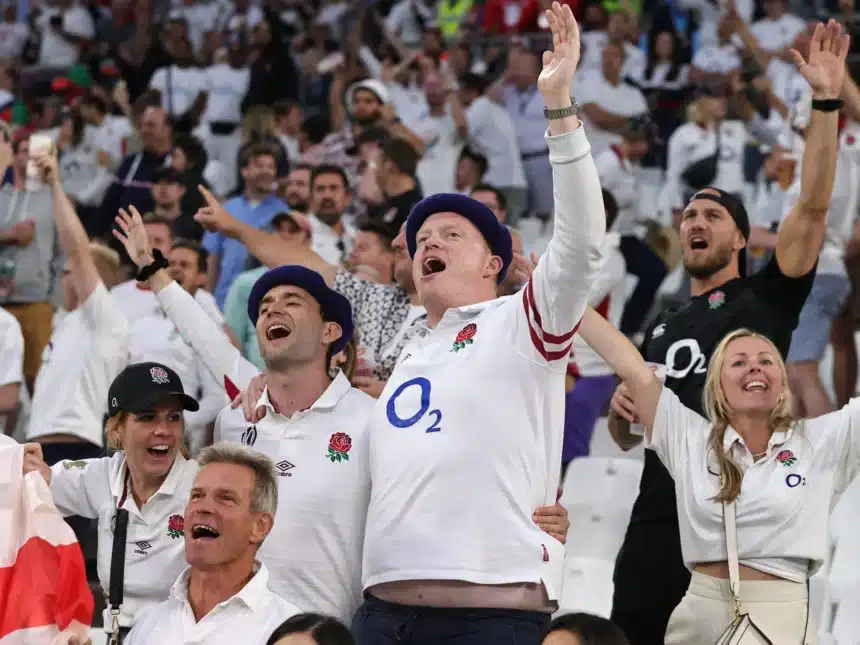

Saturday mornings in Britain have a rhythm of their own. Trains packed with fans, pints in hand, scarves around necks, the smell of bacon rolls and cold air mixing through the carriage. Some are on their way to Twickenham, others to Old Trafford or a muddy corner of League Two. The names change, but the pull stays the same — a need to show up, to be part of it. Rugby and football share the same roots, but their matchdays could hardly feel further apart.
Atmosphere and Fan Culture
At a rugby ground, there’s a sense of shared occasion. Opposing supporters mix freely in the pub before kick-off, exchange laughs on the terraces, and often sit side by side in the stands. The atmosphere feels competitive but courteous — passionate without being hostile. A well-timed tackle or a skilful offload is applauded no matter who produces it. The focus is on the quality of the contest, not the colour of the shirt.
Football lives on emotion of a different kind. From the first echo of a chant to the final whistle, the crowd moves as one restless tide. It’s louder, more tribal, and often more unpredictable. The energy can switch from joy to despair in an instant. For many, that raw intensity — that collective heartbeat — is what makes football’s live experience impossible to replicate.
Inside the Stadium
Rugby venues carry a laid-back buzz. Fans can drink in their seats, and the steady flow of pints and conversation adds to the communal feel. Strangers chat between phases, laugh about refereeing calls, and cheer together when a try is scored. It’s more social than staged — a day out as much as a match.
Football stadiums operate under tighter rules. Alcohol is limited to concourse areas, which sharpens the focus once supporters take their seats. The noise swells as the teams walk out and the chants begin to roll. In the pubs beforehand, fans dissect tactics, injuries, and weekend fixtures with forensic precision. Some discuss predictions, while others quietly weigh up their odds to bet on football online and add another layer of investment to what the afternoon might bring.
Respect and the Role of Officials
Perhaps the clearest difference between the two sports lies in how authority is treated. In rugby, respect for the referee is ingrained. Players rarely argue, and crowds almost never turn on officials. Decisions are accepted — sometimes grudgingly, but always respectfully. That quiet discipline is part of the game’s identity.
Football thrives on friction. The referee becomes part of the theatre — every whistle a cue for 40,000 opinions. Debates erupt instantly, emotions spill over, and the intensity feeds back into the action. It’s messier, louder, and far less polite, yet it’s also what gives football its pulse. Rugby may command order, but football celebrates chaos, and both approaches capture something essential about British sport.
Family Culture and Inclusivity
Rugby’s reputation as a family game remains well-earned. Parents bring children wrapped in team colours, and mixed seating means everyone can enjoy the day together. The atmosphere is friendly, even educational — a place to learn the sport’s language and values.
Football’s journey has been more complex, but its progress is undeniable. Family sections, improved facilities, and community programmes have reshaped stadium culture. The crowd may be louder and more intense, but the sense of belonging is just as real. Both sports welcome the next generation in their own way, rugby through warmth and tradition, football through sheer passion and identity.
Two Games, One Spirit
In the end, rugby and football deliver different expressions of the same obsession. One thrives on respect and camaraderie; the other on tension and release. Both fill cities and hearts every weekend, binding communities together through competition, loyalty, and love of the game.
Whether you’re standing on the terraces at Thomond Park or singing under the lights at the Etihad, the feeling is unmistakable — that electric blend of pride, hope, and belonging that only live sport can create. Different codes, same heartbeat.


